After Kimi K3's Open Release: What Running Frontier Models Locally Actually Costs

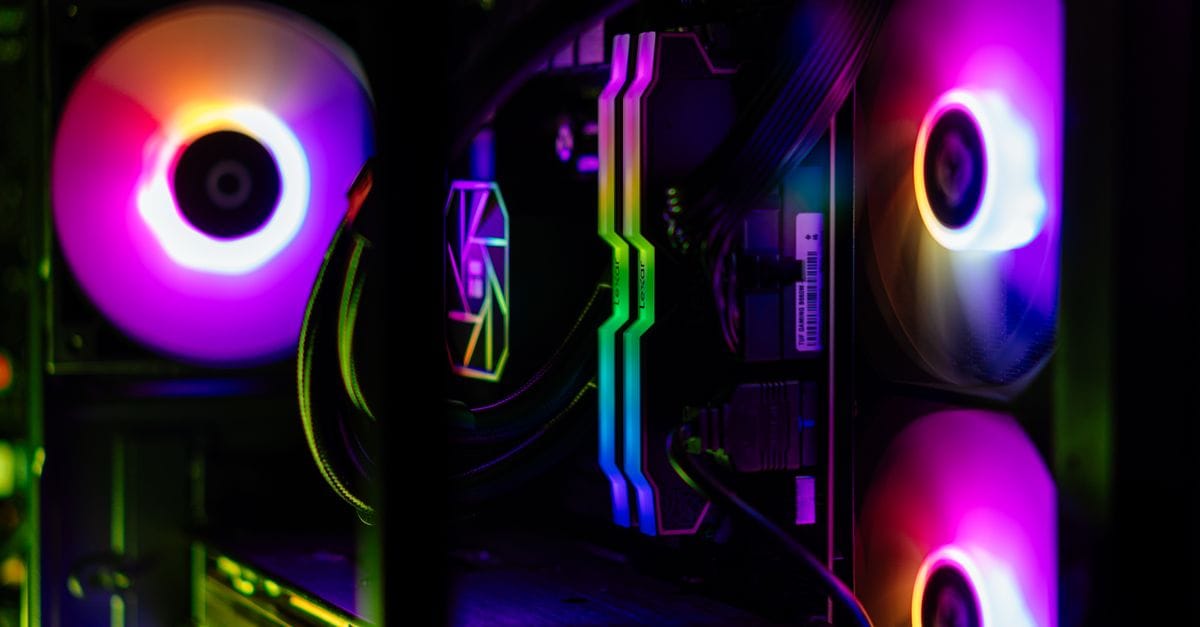
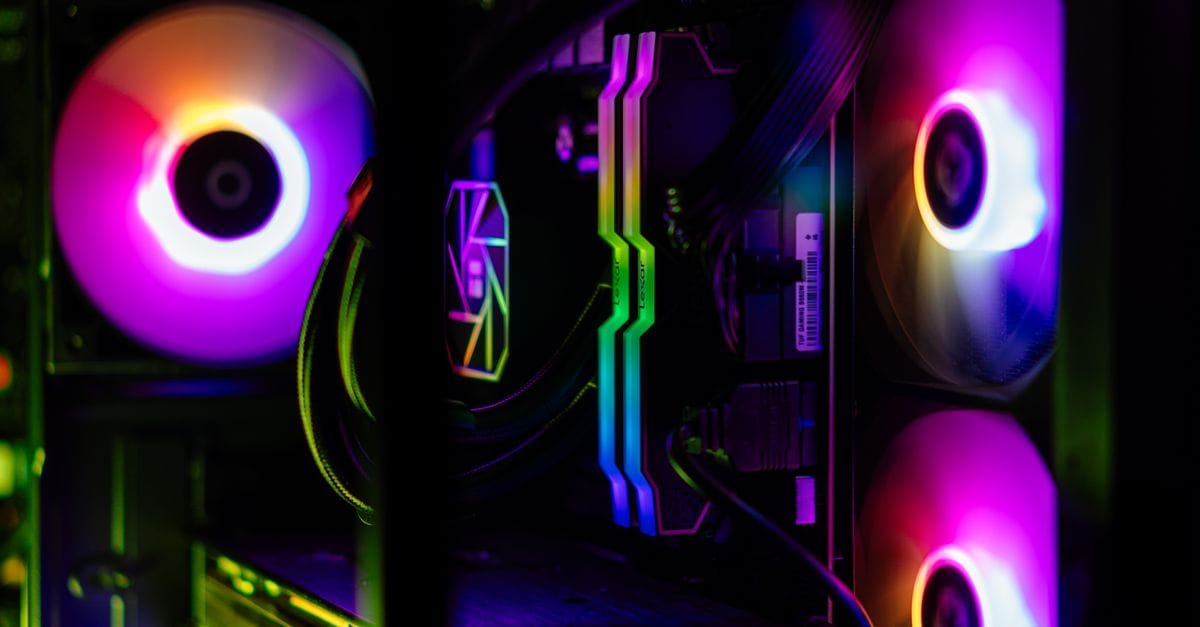
The moment Kimi K3 dropped its open weights, I knew I had to answer the question I'd been avoiding: could I actually afford to run frontier intelligence on my own hardware? Not theoretically — but with real electricity bills, real depreciation, and real usage patterns over 30 days.
The Hardware Investment Reality
I'd been circling this decision for months. The RTX 4090 felt like the obvious choice — $1,599 retail, widely available, solid VRAM for inference. But I kept reading about used Tesla V100s going for around $800 on eBay, and the cloud instance math that never quite worked out for sustained workloads.
My final setup cost $2,847:
- RTX 4090: $1,599
- PSU upgrade to 850W: $189
- Additional case cooling: $127
- SSD expansion for model storage: $245
- UPS for power stability: $312
- Miscellaneous cables and adapters: $375
The hidden costs caught me off guard. My apartment's 15-amp circuit couldn't handle the sustained load, so I had to run an extension cord to the kitchen circuit for testing. The thermal management became a real issue — my office temperature jumped 8°F during inference runs, forcing me to factor in AC costs I hadn't anticipated.
Week 1-2: The Honeymoon Phase
K3's actual performance surprised me. The benchmarks suggested high throughput, but real-world inference averaged 31 tokens/second with my typical prompts. Not disappointing, just different from the synthetic tests everyone quotes.
Power consumption settled into a predictable pattern: 450W sustained during inference, 180W idle with the model loaded in VRAM. In New York, that translated to $3.24 per day during heavy usage days, $1.29 on lighter days. My electricity rate of 24 cents per kWh meant every hour of inference cost me about 11 cents in power alone.
What changed immediately was my usage behavior. Having effectively unlimited tokens made me experiment differently. Instead of carefully crafting prompts to minimize API costs, I found myself having longer conversations, iterating more freely, asking follow-up questions without hesitation. I generated 127,000 tokens in the first week alone — roughly $180 worth of GPT-4 API calls at current pricing.
Week 3-4: The Pattern Recognition
My usage patterns stabilized around 15,000 tokens per day during weekdays, dropping to 8,000 on weekends. The variance surprised me — I'd estimated more consistent daily usage, but real work comes in bursts. Some days I'd generate 35,000 tokens working on a project, others barely 3,000.
The API cost comparison got interesting. Using standard API pricing as a baseline, my average daily usage would have cost:
- Light days (8,000 tokens): ~$13 in API calls
- Heavy days (35,000 tokens): ~$56 in API calls
- My average (15,000 tokens): ~$24 in API calls
My hardware costs broke down to $31.64 per day (amortizing the $2,847 investment over 90 days, plus electricity). The break-even point landed at roughly 20,000 tokens per day — higher than my average usage.
The Control Stack Revelation
But the economics missed something crucial. Having the model running locally changed what I was willing to build. I started experimenting with applications that would have been prohibitively expensive via API: continuous monitoring scripts that analyzed log files, creative writing tools that generated multiple variations of every paragraph, research assistants that processed entire papers instead of excerpts.
The latency difference mattered more than I expected. Local inference response time averaged 1.2 seconds for typical queries, compared to 3.8 seconds for API calls (including network overhead). That seemingly small difference compounded when iterating on ideas — the conversation flow felt more natural, more like thinking with an external brain than consulting an oracle.
Privacy implications emerged that I hadn't fully considered. Client work that involved sensitive data could now stay entirely within my infrastructure. No terms of service to navigate, no data retention policies to worry about, no third-party access logs. For consulting projects, this opened opportunities I'd previously declined due to confidentiality requirements.
The Economics Don't Tell the Whole Story
Reliability became a factor I hadn't weighted properly. My local setup achieved decent uptime over the 30 days, with downtime mainly from planned maintenance and one power outage. API services, while generally reliable, had intermittent slowdowns and occasional outages that interrupted my workflow at inconvenient moments.
Model switching revealed hidden costs I hadn't anticipated. Once I'd invested in RTX 4090-class hardware, I was effectively locked into models that fit within 24GB VRAM. Larger models meant either buying more hardware or accepting degraded performance through CPU offloading. API services, by contrast, let me switch between models based on task requirements without additional infrastructure investment.
Maintenance time became real. Keeping local inference running smoothly required about 2 hours per week: monitoring temperatures, updating software, managing model storage, troubleshooting occasional failures. Not overwhelming, but a genuine time cost that API usage doesn't impose.
What the Numbers Actually Show
After 30 days of detailed tracking:
Total costs:
- Hardware depreciation (90-day amortization): $949
- Electricity: $67
- Cooling/AC increase: $23
- Maintenance time (valued at $50/hour): $400
- Total: $1,439
Equivalent API costs for actual usage:
- 441,000 total tokens generated
- Estimated API cost: $706
The raw numbers suggested I was spending roughly 2x what API access would have cost. But utilization rate dominated the equation. During my most productive weeks, when I generated 25,000+ tokens daily, local inference was clearly cheaper. During slower weeks, the fixed costs made APIs more economical.
What mattered most wasn't the average, but the variance. High-utilization periods made the hardware investment worthwhile, while low-utilization periods highlighted the appeal of variable API pricing.
The choice between local and API isn't just about cost optimization — it's about what kind of relationship you want with intelligence itself. When the model runs in your basement instead of someone else's data center, I'm finding that changes what I'm willing to attempt. Whether that's worth the premium is a question I'm still sitting with.