Running 24/7 Local AI on Hardware I Control: What This Solo Builder's Setup Taught Me

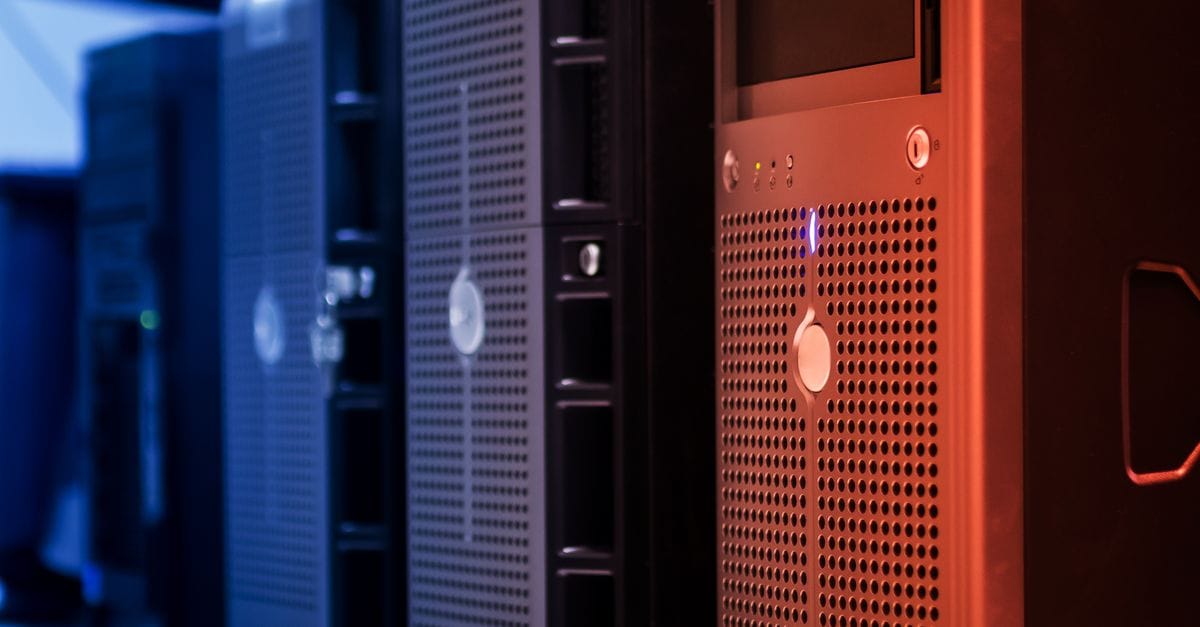
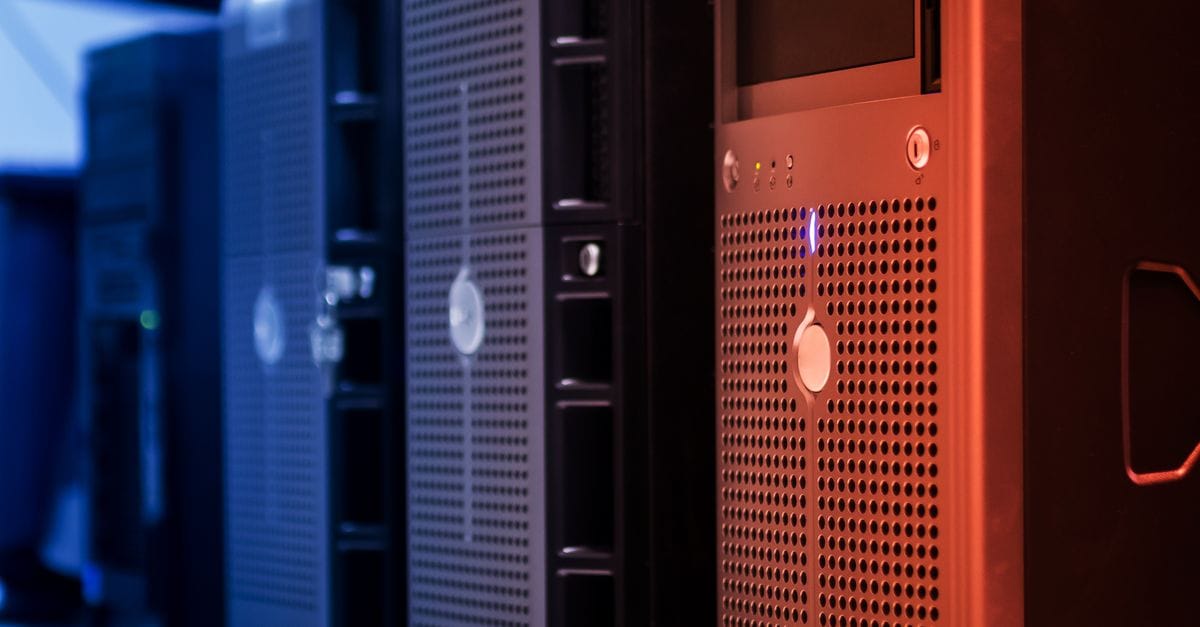
I've been running persistent AI models on local hardware for about six months now, following Alex Finn's approach to local AI infrastructure. What started as curiosity about reducing API costs turned into something more fundamental — I realized I wasn't just optimizing for cheaper inference. I was building on entirely different foundations.
The shift happened when I stopped thinking about AI as a service I call and started treating it as infrastructure I own. That change in perspective unlocked product possibilities that simply don't exist when you're dependent on external APIs. When your AI can't phone home, different things become possible.
Why I Started Down This Path
Alex Finn's writeups on persistent local AI caught my attention last year, though initially for the wrong reasons. I was looking at my OpenAI bills and thinking about cost optimization — the classic developer reflex of wanting to own the stack rather than rent it.
But the real catalyst wasn't financial. I was working on a project that needed AI to be genuinely always available, without any external dependencies. Not "always available assuming good internet and API uptime," but always available in the same way my local database is always available. I needed AI that couldn't disappear because of rate limits, service outages, or changes to someone else's terms of service.
By "24/7 local AI," I mean models running persistently on hardware I physically own, ready to respond instantly without making any external requests. No API keys, no internet dependency, no usage metering. The model loads when the machine boots and stays loaded until I shut it down.
The Hardware Reality Check
My current setup runs a RTX 4090 alongside 64GB of RAM, pulling about 400 watts under load. I'm primarily running Llama 2 70B and Code Llama variants, with some smaller specialized models for specific tasks. The initial hardware cost was around $3,500.
The sticker shock was real. I could run many API calls for $3,500. But I keep coming back to this: the break-even calculation misses the point entirely. I'm not replacing API calls with local inference — I'm building things that weren't possible with API calls in the first place.
What I didn't anticipate were the physical realities. The machine runs warm and needs decent ventilation. The fans are audible when inference is running hard. Power consumption spikes unpredictably based on workload. These aren't dealbreakers, but they're considerations I never had with cloud APIs.
What Changes When AI Can't Phone Home
The most immediate change is psychological. When inference has no marginal cost and no external dependencies, I build differently. I add AI features liberally, without the nagging worry about usage costs or rate limits. That shift in mindset leads to products that assume AI is just… there.
I built a personal knowledge system that continuously processes and cross-references everything I write, read, and reference. It runs inference constantly in the background, building connections and surfacing insights. This would be expensive and architecturally complex with API calls, but it's straightforward when AI is local infrastructure.
Privacy becomes a genuine product feature rather than marketing copy. When data never leaves my hardware, I can build tools that work with sensitive information without the complex dance of data handling policies and user consent flows. The AI processes everything locally, so there's no external data sharing by design.
The Control Trade-offs I Discovered
Local AI means being constrained by what actually runs on my hardware. While cloud APIs give me access to the latest GPT-4 or Claude variants, I'm limited to models that fit in my GPU memory and run at acceptable speeds. This is a real limitation — local models are capable, but they're not state-of-the-art.
The versioning problem is interesting. When my application depends on a specific local model, that model becomes "the model" for my users. There's no transparent backend upgrade. If I want to improve capabilities, I need to handle model transitions explicitly, which means thinking about backward compatibility and migration paths.
Debugging shifts from network issues to hardware and model behavior issues. Instead of troubleshooting API connectivity or rate limiting, I'm monitoring GPU memory usage and inference performance. The problems are different, not necessarily easier or harder.
Economics That Don't Show Up in Spreadsheets
Cost-per-token comparisons miss the real economics. When inference is essentially free, I use AI differently. I run experiments constantly. I prototype features that would be expensive to test with metered APIs. The compound effect of unrestricted experimentation changes how quickly I can iterate.
There's also the cognitive overhead of metered usage. With APIs, I'm always somewhat aware of costs accumulating. Every request has a price, which creates subtle friction around experimentation. Local inference removes that friction entirely.
Hidden cloud costs include monitoring and optimizing API usage, handling rate limits gracefully, and architecting around external dependencies. These aren't line items in billing, but they're real development overhead.
Where This Gets Interesting for Building
I can build products now that assume AI is infrastructure rather than a feature. A writing tool that provides instant feedback on every keystroke. A code assistant that analyzes entire codebases continuously. A research system that processes documents in real-time as I read them.
The always-on advantage is subtle but powerful. When AI latency approaches zero and there's no usage anxiety, it becomes infrastructure that other features can build on. I find myself adding AI capabilities to tools that never needed them before, simply because the marginal cost is zero.
Integration patterns emerge that wouldn't make sense with API dependencies. Background processing pipelines. Real-time analysis systems. Features that would be architecturally complex or prohibitively expensive with external APIs become straightforward with local models.
The Honest Downsides
Local models are genuinely less capable than the best cloud offerings. GPT-4 and Claude handle complex reasoning tasks that my local models struggle with. For certain use cases, this capability gap is decisive.
Maintenance is entirely on me. Hardware failures, model updates, performance optimization — there's no ops team handling this infrastructure. When something breaks, debugging falls to me.
The isolation is real. There's no established community of practice around local AI operations. Most discussions focus on cloud APIs, so troubleshooting local inference often means figuring things out alone.
I still use cloud APIs for specific tasks where capability matters more than control. The two approaches complement rather than replace each other, but knowing when to use which requires judgment that's still developing.
What I'm Watching Next
Hardware is evolving quickly. The RTX 4090 that seemed powerful six months ago is already being surpassed. Model efficiency improvements are happening even faster — models that required enterprise hardware are now running on consumer GPUs.
The model size versus capability trade-offs are shifting in favor of smaller, more efficient models. I'm curious whether this trend continues to the point where local AI becomes obviously superior for most applications.
I don't know if this approach scales beyond individual builders. The economics and complexity might be different for teams or larger applications. But for solo developers building focused tools, local AI infrastructure is starting to feel like an unfair advantage.
The bigger question I'm sitting with: are we heading toward a world where AI infrastructure becomes as personal and owned as web servers once were? The trajectory suggests yes, but the timeline and specific path remain unclear to me.