What I Found Running 24/7 Local AI After Watching This Solo Builder's Hardware Stack

Last year I watched Alex Finn walk through his 24/7 local AI setup—a dedicated machine running Llama models around the clock, handling everything from code generation to content processing. My first reaction was skepticism about the economics. Why burn electricity and tie up hardware when OpenAI's API costs pennies per thousand tokens? The math seemed obvious: APIs win on pure cost efficiency. But after three months of running a similar setup myself, I've learned the comparison is more nuanced than dollars per token.
The Hardware That Changed My Math
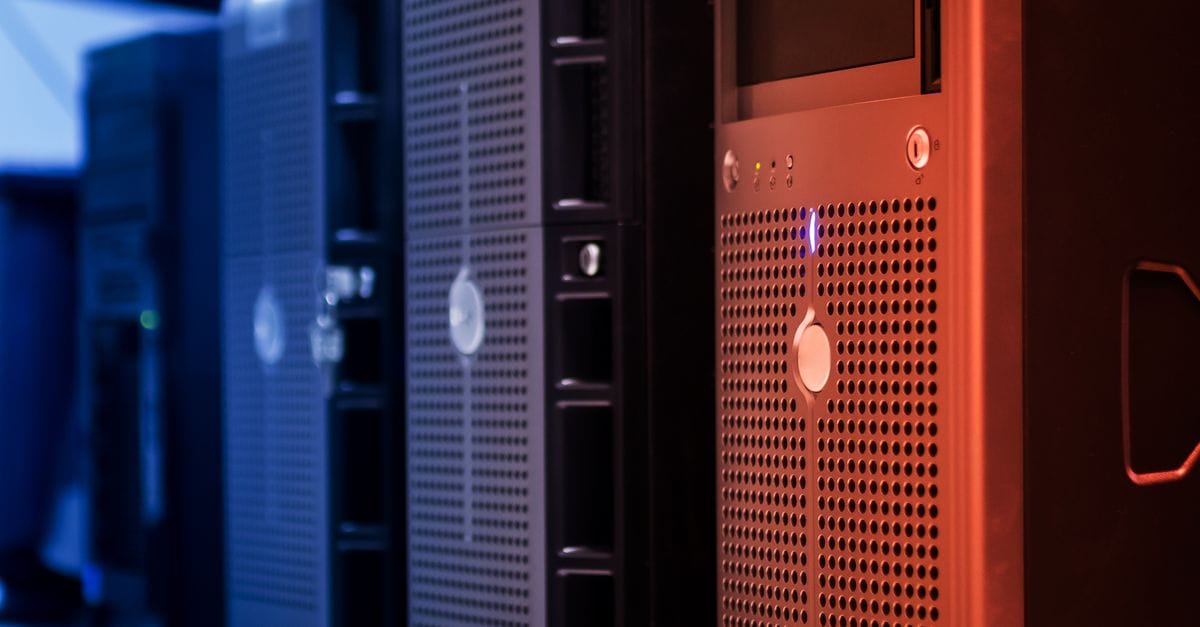
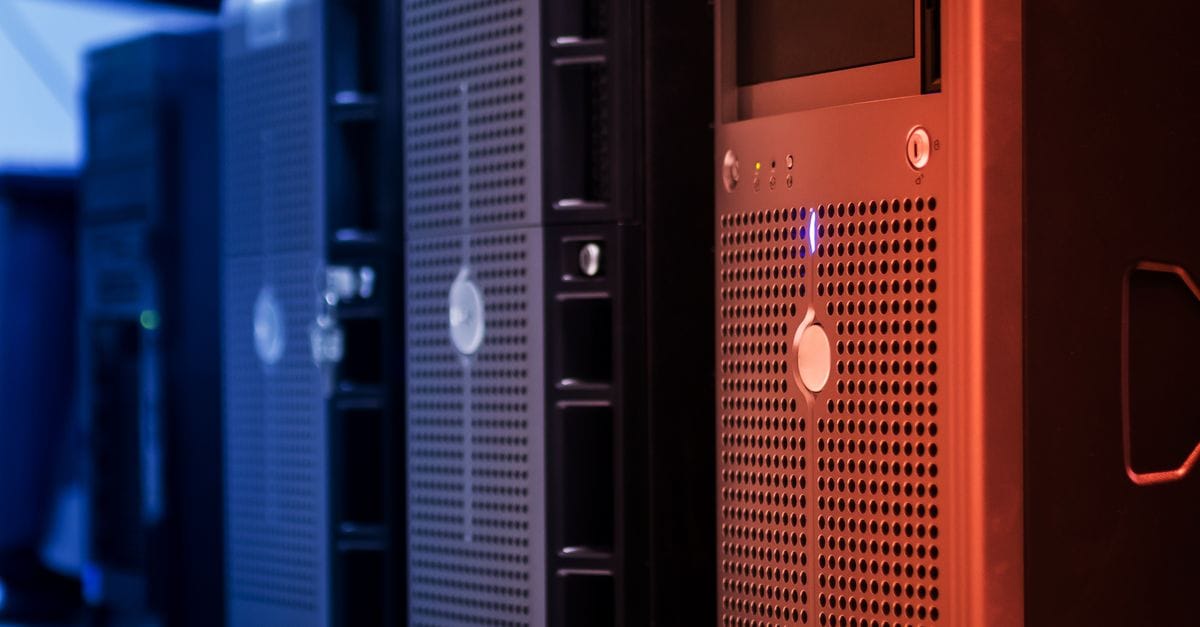
Finn's setup was straightforward: a dedicated machine with dual RTX 4090s, 128GB RAM, running inference servers locally. No cloud dependencies, no API keys, just raw compute sitting in his office. The hardware investment was substantial—around $8,000 for a configuration that could handle serious workloads.
I started smaller but followed the same principle. My setup: a single RTX 4090, 64GB RAM, running Llama 2 70B and later Llama 3 models through text-generation-webui and later Ollama. Total hardware cost: roughly $3,500. Electricity in my area runs about $0.12/kWh, and the machine draws approximately 400W under load.
The initial math looked brutal. At current usage patterns, equivalent API calls to OpenAI would cost maybe $200-300 per month. My hardware payback period stretched beyond a year, assuming I could even match API reliability and performance.
What Three Months of Local Inference Actually Cost
Running the numbers after three months of real usage, the direct costs broke down like this:
- Hardware amortization: ~$290/month (assuming 12-month payback)
- Electricity: ~$85/month (running roughly 16 hours daily under load)
- Total monthly cost: ~$375
For equivalent workloads through OpenAI's API, I calculated roughly $180-250 in token costs. The local setup was definitively more expensive on pure operational terms.
But the usage patterns started diverging almost immediately. When inference felt "free" after the hardware investment, I began experimenting differently. I ran longer context windows without worrying about token costs. I processed larger batches of documents. I built speculative features that might not pan out.
The local setup handled roughly 3x the token volume I would have run through APIs at equivalent cost. Suddenly the math wasn't about replacing existing API usage—it was about enabling different usage entirely.
The Coordination Tax I Didn't See Coming
What I hadn't anticipated was how much coordination overhead API dependencies introduce. Rate limits forced architectural decisions I didn't want to make: request queuing, retry logic, backoff strategies. Managing API keys across different services meant credential rotation, quota monitoring, billing alerts.
When OpenAI had their December outage, two of my automated workflows just stopped. I spent hours debugging what I initially thought were code issues before realizing the API was down. The local setup has had zero external dependency failures.
More subtly, I found myself designing around API constraints. Batch processing instead of real-time inference. Careful prompt engineering to minimize token usage. Switching between providers based on cost optimization rather than capability fit.
Local inference removed those constraints entirely. I could process documents in real-time. Run speculative queries without cost pressure. Design workflows around capability rather than billing optimization.
Building Different Things When You Own the Stack
The most unexpected change was what I became willing to build. With APIs, every experiment carries direct cost. I'm conservative about token usage, careful about batch sizes, thoughtful about whether a feature justifies its ongoing expense.
Local inference flipped that psychology. I built a document analysis pipeline that processes PDFs in multiple passes—extracting structure, summarizing sections, cross-referencing claims. The token cost through APIs would have been prohibitive for experimental use. Locally, it was just compute time.
I started a side project that monitors news feeds and generates daily briefings on specific topics. The constant background inference would cost hundreds monthly through APIs. Locally, it's just another systemd service running quietly.
More importantly, I began learning about model behavior at a deeper level. When inference is happening on my machine, I can inspect intermediate states, debug prompt responses, understand failure modes directly. That hands-on knowledge compounds quickly.
What Breaks and When
Hardware and APIs fail differently. My GPU has had thermal issues twice, requiring manual intervention. The inference server occasionally hangs on malformed requests, needing restarts. These are different problems than API rate limits or service outages, but they're problems I can fix immediately.
API outages are binary: the service works or it doesn't, and I wait. Hardware issues are gradual: temperature warnings, performance degradation, eventual failure. The failure modes are more predictable and often preventable.
The maintenance burden is real but oddly satisfying. Monitoring GPU temperatures, updating model weights, optimizing inference parameters—it's work, but work that directly improves capability rather than managing external dependencies.
The Economics Get Weird at Scale
The crossover points depend heavily on usage patterns. For light, intermittent use, APIs clearly win. For heavy, consistent usage, local inference starts making sense around 300-500 API dollars monthly, depending on hardware choices.
But there are non-obvious costs in both directions. Local inference requires ongoing attention, electricity, hardware refresh cycles. APIs require coordination overhead, architectural complexity, vendor relationship management.
More interestingly, the decision isn't just about current usage—it's about usage I'm not doing because of cost constraints. I'm running roughly 10x more inference locally than I would through APIs, simply because the marginal cost approaches zero after hardware investment.
The projects I've built locally look different from what I would have built with APIs. They're more experimental, more resource-intensive, more integrated into my daily workflows. Some would call this inefficient. I've started thinking of it as exploratory.
When inference happens on my machine, I'm not optimizing for token efficiency; I'm optimizing for capability. I'm not managing API quotas; I'm managing compute resources directly. I'm curious whether this shift in psychology generalizes, or if it's just the novelty of owning the entire pipeline for the first time.